
Eco Medical
Medical Waste Blog
Medical waste industry related posts and resources.

Kevin Noel
What Happens to Used Needles?
Needles, syringes, and other sharps waste are a common byproduct of most healthcare procedures, but what happens to the used sharps?
Kevin Noel
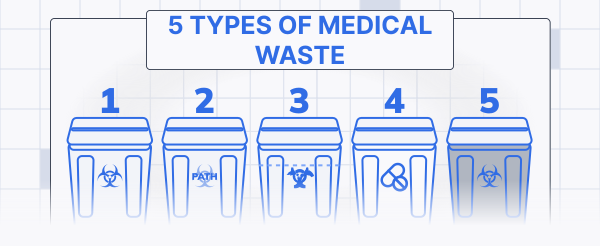
Types of Medical Waste in California
There are 5 types of medical waste outlined in the Medical Waste Management Act: biohazardous, sharps, pathology, pharmaceutical, and trace chemotherapy waste.
Kevin Noel
How Often Facilities Need Biohazard Disposal
Requirements regarding the generation, handling, storage, and disposal of biohazard waste in California can be found inside of the Medical Waste Management Act. This page will explain how often healthcare facilities and other medical waste generators need to dispose of their biohazard waste.
Kevin Noel
Understanding Pharmaceutical Waste Container Color Codes
An explanation of pharmaceutical waste container color coding, the purpose, and the difference between blue and white or black medical waste containers.

Kevin Noel
Benefits of Off-site Treatment and Medical Waste pickups
Medical waste disposal is a critical aspect of healthcare operations. Off-site treatment for medical waste disposal is the most common option for handling medical waste- and for good reason. In this article, we will go over the benefits of off-site treatment for medical waste disposal.

Kevin Noel
Importance of Good Customer Service for Medical Waste Disposal
Good customer service is a critical component of any good medical waste disposal company. As a medical waste generator, you need prompt, efficient, and reliable medical waste disposal services. Any company will pick up the phone to give a free quote, but you need the same attention when you are calling a support number for help.
Kevin Noel
Regulated Medical Waste (RMW) with Examples
Regulated medical waste (RMW) is clinical waste, biohazardous waste, or biomedical waste that requires special handling due to the potential to spread infectious disease.

Kevin Noel
What are Biohazards? (With 6 Biohazard Examples)
As a medical waste generator or a person working in an industry handling biohazards, it is very important that you are able to identify and segregate each type of waste you generate. If you can't identify biohazard waste examples or define biohazardous waste, make sure you keep reading to protect yourself and the community.
Kevin Noel
How to Dispose of Expired Inhalers
It is important to properly dispose of inhalers to minimize potential risks to human health and the environment. Improper disposal of inhalers can lead to the release of harmful chemicals into the environment such as greenhouse gasses and toxic medications.
Kevin Noel
What Happens to Medical Waste?
Medical waste is generated, stored, transported, and then treated to kill any potential pathogens.
Kevin Noel
Bakersfield and Kern County Medical Waste Program for Households
Regulated medical waste (RMW) is clinical waste, biohazardous waste, or biomedical waste that requires special handling due to the potential to spread infectious disease.
Kevin Noel
Hazardous Listed Pharmaceutical Waste: P, U, and D Drugs
An overview of hazardous listed pharmaceutical waste, focusing on the EPA's P, U, and D drug classifications and their proper disposal methods. It emphasizes the importance of regulatory compliance, environmental protection, and public health when managing and disposing of these hazardous wastes in healthcare settings.
Kevin Noel
3 Reasons to be Cautious About Medical Waste Information
Don’t make the mistake of seeing what seems like good medical waste information online and acting on it. There are a variety of factors at play and while that advice could potentially be good in one state, it can be disastrous in another.
Kevin Noel
7 Questions to Ask Before Choosing a Medical Waste Disposal Company
Don't get locked into an unfair agreement. Be informed when choosing a medical waste disposal company.

Kevin Noel
What are Bio Bags and When To Use Them
Learn what bio bags are, when to use them, what goes inside of them, and what to do with used bio bags.

Kevin Noel
Biohazard Symbol Meaning and Purpose
If you work around biohazards, you are likely very familiar with the biohazard symbol. This is because laws often require use of the biohazard symbol to alert you and prepare you to take necessary precautions around infectious materials. In the healthcare setting, the biohazard symbol is everywhere.

Kevin Noel
Good vs Bad Medical Waste Disposal Contract
What is the difference between a good and bad medical waste disposal agreement?
Kevin Noel
Segregating and Classifying Medical Waste in California
Segregating your medical waste is a key factor in maintaining medical waste compliance in California. If medical waste is not properly segregated, it will likely end up disposed of improperly and is more likely to cause injury.
Kevin Noel
California Household Management of Medical Waste
California medical waste management regulations are not just for businesses who generate medical waste, rules also apply to households who generate medical waste.
Kevin Noel
California Medical Waste Management Guide
If you generate medical waste in California, you should be very familiar with the California Medical Waste Management Act (MWMA) to maintain compliance with your medical waste.

Kevin Noel
Cradle to Grave Medical Waste Management
Under the cradle to grave medical waste requirement, you may be more responsible for your regulated medical waste than you think.
Kevin Noel
How do Hospitals Dispose of Biohazard Waste
Hospitals dispose of biohazard waste on-site, off-site, and even through the mail. Through each of these methods, the waste ultimately needs to be treated to eliminate any potentially infectious materials before final disposal. Healthcare waste disposal is heavily regulated and it is essential that all regulated medical waste is sterilized to kill any potentially infectious or harmful agents.
Kevin Noel
Infectious Waste Examples
Infectious waste is one of the main types of healthcare waste identified by the World Health Organization.

Kevin Noel
Designated Accumulation Area Requirements in California
A designated accumulation area is an area to store medical waste containers before transportation and treatment.
Kevin Noel
Medical Waste Storage Requirements in California
This page will serve as a simplified guide to medical waste storage in California as outlined in the Medical Waste Management Act.
Kevin Noel
California Medical Waste Manifest Tracking Documents
As a healthcare facility or other regulated medical waste generator, it is essential you are keeping proper records for your medical waste disposal.

Kevin Noel
Required Medical Waste Trainings and Safety Plans
An essential part of compliance is keeping staff up to date on all training and certifications and maintaining your safety plans.
Kevin Noel
The Key to Reducing Medical Waste Disposal Costs in California
There are a variety of things to keep in mind when trying to cut costs, but compliance should always be at the forefront of your medical waste operations.
Kevin Noel
Why is Blood a Biohazard?
Blood is considered biohazardous waste, and so are things that come into contact with blood or other potentially infectious materials.
Kevin Noel
Handling Non-Hazardous Pharmaceutical Waste
Non-hazardous pharmaceutical waste is any unused prescription or over the counter drug that is not hazardous as defined by Resource Conservation and Recovery Act.
Kevin Noel
How to use Red Medical Waste Disposal Bags
Red medical waste bags are specifically made for biohazardous waste, but how do you properly use red bags for your medical waste?

Kevin Noel
What is Pathological Waste? Examples and Disposal
Understanding the proper management of pathological waste generated by healthcare facilities is important to prevent the spread of infectious agents and protect healthcare workers and the environment.
Kevin Noel
Exposure Control Plan Compliance Guide
Having a compliant exposure control plan is a necessity under OSHA’s Occupational Exposure to Bloodborne Pathogens Standard. The OSHA standard for bloodborne pathogens regulates employers to ensure that workers are safe when dealing with potential exposure to blood or OPIMs.
Kevin Noel
Hand Sanitizer Disposal Explained (Full Checklist)
Disposing of hand sanitizer is more complicated than you might think. Since hand sanitizer has the characteristics of hazardous waste, it must follow hazardous waste disposal guidelines.
Kevin Noel
Costs of Medical Waste Disposal
There are a lot of factors that affect the cost of medical waste disposal and it is hard to give a clear cut price.
Kevin Noel
Medical Waste Pollution
Since medical or biohazardous waste generated by health care facilities poses serious health risks and environmental pollution issues - it is heavily regulated to ensure proper management.

Kevin Noel
SBAR Explanation and Guide (2023)
SBAR (Situation, Background, Assessment, Recommendation) is commonly used within healthcare environments to communicate a patient’s condition effectively to promote the best outcomes possible.
Kevin Noel
What Waste Goes in Red Bag Waste?
This blog post defines "red bag waste" or biohazardous waste in the healthcare industry. It provides examples of what should and should not be placed in red biohazard bags, as well as the significance of proper disposal in order to protect employees, maintain compliance, and save costs.
Kevin Noel
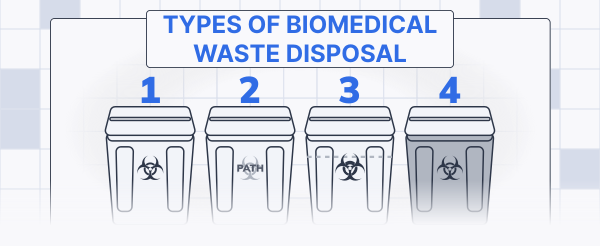
Types of Biomedical Waste Disposal
Discover the most eco-friendly methods of biomedical waste disposal, including microwaving and autoclaving. Learn about the different types of biomedical waste and the regulations to follow when disposing of them. Stay compliant and protect the environment with our comprehensive guide.
Kevin Noel
Color Coding for Medical Waste Containers
Learn about the importance of color coding in medical waste management. Discover the different color codes used for segregation of waste, including red for biohazard, yellow for radioactive, blue and white for non-hazardous, and black for hazardous waste. Improve safety for your staff and protect the environment with proper segregation and disposal of medical waste.

Kevin Noel
What is OPIM (Everything you need to know)
"OPIM is a medical abbreviation that stands for “Other Potentially Infectious Materials.” This stems from the description of regulated medical waste: "Regulated medical waste is any waste contaminated by blood or other potentially infectious materials."

Kevin Noel
How to Dispose of Expired Medications (2023 Checklist)
Are you unsure of how to properly dispose of expired medications in your household? Improper disposal can lead to negative outcomes for individuals, animals, and the environment. The DEA may even be involved depending on the prescription and disposal method. Don't worry, we have you covered with our comprehensive 2023 checklist for proper disposal of expired medications.
Let's get started
Get compliant medical waste disposal tailored to your facility—anywhere in the United States. Request a free quote and we'll help you get set up quickly.