What is OPIM (Everything you need to know)

Whether it be during diagnosis, prevention, or treatment - potentially infectious materials (OPIMs) are prevalent in every healthcare setting.
Generating, handling, storing, and disposing of medical waste requires serious precautions.
Medical professionals can be at a serious risk for exposure to bloodborne pathogens which can transmit Hepatitis B, Hepatitis C, and HIV.
What does OPIM stand for?
OPIM is a medical abbreviation that stands for “Other Potentially Infectious Materials.”
This stems from the description of regulated medical waste: "Regulated medical waste is any waste contaminated by blood or other potentially infectious materials."
OPIM examples include
- Blood components or blood products - platelets, red blood cells, plasma, and serum
- Used sharps - syringes, needles, and lancets.
- Body fluids contaminated by blood - vaginal secretions, semen, amniotic fluid, pleural fluid, peritoneal fluid, nasal secretions, cerebrospinal fluid urine, feces, and other contaminated bodily fluid
- Pathology wastes - unfixed tissue cultures, organs, human or animal body parts
- Saliva with visible blood from dental procedures
- Personal protective equipment contaminated with blood
- Other red bag wastes
How Do Bloodborne Pathogens Spread?
When dealing with biohazard waste, be well trained, use precautions, and always use adequate personal protective equipment.
There are a variety of ways to be transmitted with bloodborne pathogens from human blood or other potentially infectious materials:
Some ways bloodborne pathogens can spread include:
✔ Needle stick injuries (sharps injuries) from a used sharps device involved with contaminated blood
✔ Contact with infectious agents where you have broken skin
✔ During birth
✔ Sexual contact
✔ Needle sharing
✔ Any other activity than exchanges human blood or body fluids
Risks of Transmission of Bloodborne Pathogens via OPIMs
Some of the most common risks of bloodborne pathogens include Hepatitis B, Hepatitis C, and HIV (human immunodeficiency virus).
With 385,000 sharps injuries yearly among healthcare personnel, human blood components and other potentially infectious material should never be underestimated.
OSHA's Bloodborne Pathogens Standards
The Occupational Safety and Health Administration ensures safe working conditions by enforcing standards and providing education.
The OSHA standard for bloodborne pathogens regulates employers to ensure that workers are safe when dealing with occupational exposure to blood or OPIMs.
OSHA’s Bloodborne Pathogens Standards Include:
✔ Exposure control plan
Think of this as a written plan for how your facility will eliminate or reduce the risks of anticipated exposure. This should include an outline of the hazards workers are potentially exposed to, at least annual review of the plan which reflects on technological changes which reduce exposure, documentation of potentially safer devices, input from employees with direct patient care, and should be available upon request by OSHA or other regulating parties.
This should also include a list of all jobs and tasks under the employer that could expose them to bloodborne pathogens.
✔ Work practice controls
Ways to make it less likely that someone will get exposed to bloodborne pathogens. For example, instructing employees to place the cap on a needle in a specific way found to reduce risk of energy or color coding your medical waste containers.
✔ Required vaccinations and follow ups
Employers must make the hepatitis b vaccine available to all employees with occupational exposure at no cost to the employee within 10 work days of the tasks unless they already had the vaccination, antibody testing, or can’t take it for medical reasons.
✔ Communication and annual training
Training and certificates are essential. Bloodborne pathogen training must happen at the time of potential exposure and at least every one year after. Additional training may be required depending on new tasks or procedures implemented into the workplace.
✔ Required record keeping
An accurate record for every employee with occupational exposure including: name, copy of vaccination status and dates or reasoning or medical records that exempt them, a copy of all examination results and follow ups, a copy of the opinion written by a healthcare professional, and a clear record of all training records.
All records must be maintained and available upon request to OSHA or other regulating parties.
Who Does OSHA'S Bloodborne Standard Concern?
The responsibility is on the employer to ensure standards are followed.
But that does not mean employees with reasonably anticipated exposure should not be concerned.
All of the following should be concerned with OSHA's bloodborne standards:
✔ Employees with direct contact to patients
✔ Employees handling equipment contaminated with blood
✔ Employees with exposure to blood or other potentially infectious materials
✔ Any employee with occupational risks to bloodborne pathogens
Storage and Disposal of OPIMs
You should always ensure you have a medical waste disposal management plan.
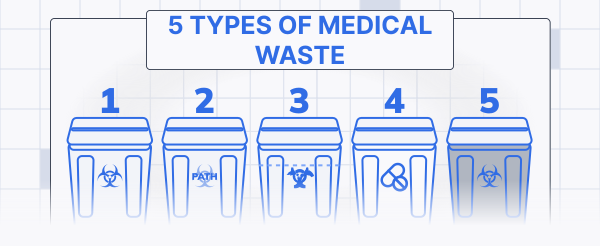
Infectious waste has several categories of waste within it, which often require different containers, labeling, disposal frequencies, and more!
Depending on the state, biohazard waste must be separated into multiple waste types. In California, pathological waste goes in a container separate from other biohazard wastes.
This is why it is crucial you always use your state’s guidelines when generating waste.
Keep your regulated medical wastes away from unauthorized personals, avoid overfilling containers, and follow all compliance guidelines outlined by your state.
You should hire a medical waste disposal company to transport your waste from your place of storage to a treatment facility.
Needlestick or sharp injuries are a huge risk for transmission
According to the CDC, A needlestick injury or exposure to HBV infected blood has a 6-30% risk of infection. It is important that you are taking the necessary precautions within your facility such as properly using red bags to avoid the risk of injury
Summary of potentially infectious materials
OPIM is the medical abbreviation for potentially infectious materials. Anything contaminated with blood, including human body fluids, should be treated as a hazardous medical waste.
It is essential that the proper steps are taken to reduce the risk of transmission under OSHA standards.